To choose the best summary of a text on the TABE, you need to find the option that accurately and concisely captures the main idea and key supporting details without adding any new information or personal opinions.
What Makes a Good Summary?
A good summary is:
Concise: It's much shorter than the original text. It boils down the information to its essential points.
Accurate: It doesn't misrepresent the author's message or include incorrect information.
Objective: It sticks to the facts presented in the text and doesn't include the summarizer's personal opinions or feelings.
Comprehensive: It covers all of the most important points from the original text. It doesn't leave out crucial information.
How to Choose the Best Summary
Read the Original Passage Carefully: Identify the main idea and the most important supporting details. A good way to do this is to mentally "prune" the text, trimming away minor details, examples, and repetitive phrases.
Read All the Answer Choices: Don't just pick the first one that seems right. Read every option to compare them.
Eliminate Incorrect Answers:
Too broad: Some summaries are too general and don't include enough specific details to be useful.
Too narrow: Some summaries focus on only one small detail from the text and miss the main idea.
Incorrect information: Eliminate any options that introduce new ideas or misstate facts from the original passage.
Opinion or bias: Discard any summary that includes the writer's opinion rather than the author's facts.
📝 TABE RLA: Choose the Best Summary of a Text Quiz
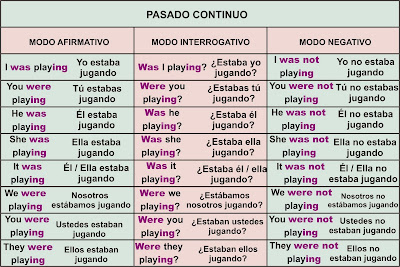
PAST CONTINUOUS
Gap-fill exercise
1. Simple Present or Present Continuous
2. Simple Past or Past Perfect
3. Adverbs of Frequency
4. Either... Or - Neither... Nor
liveworksheets.com